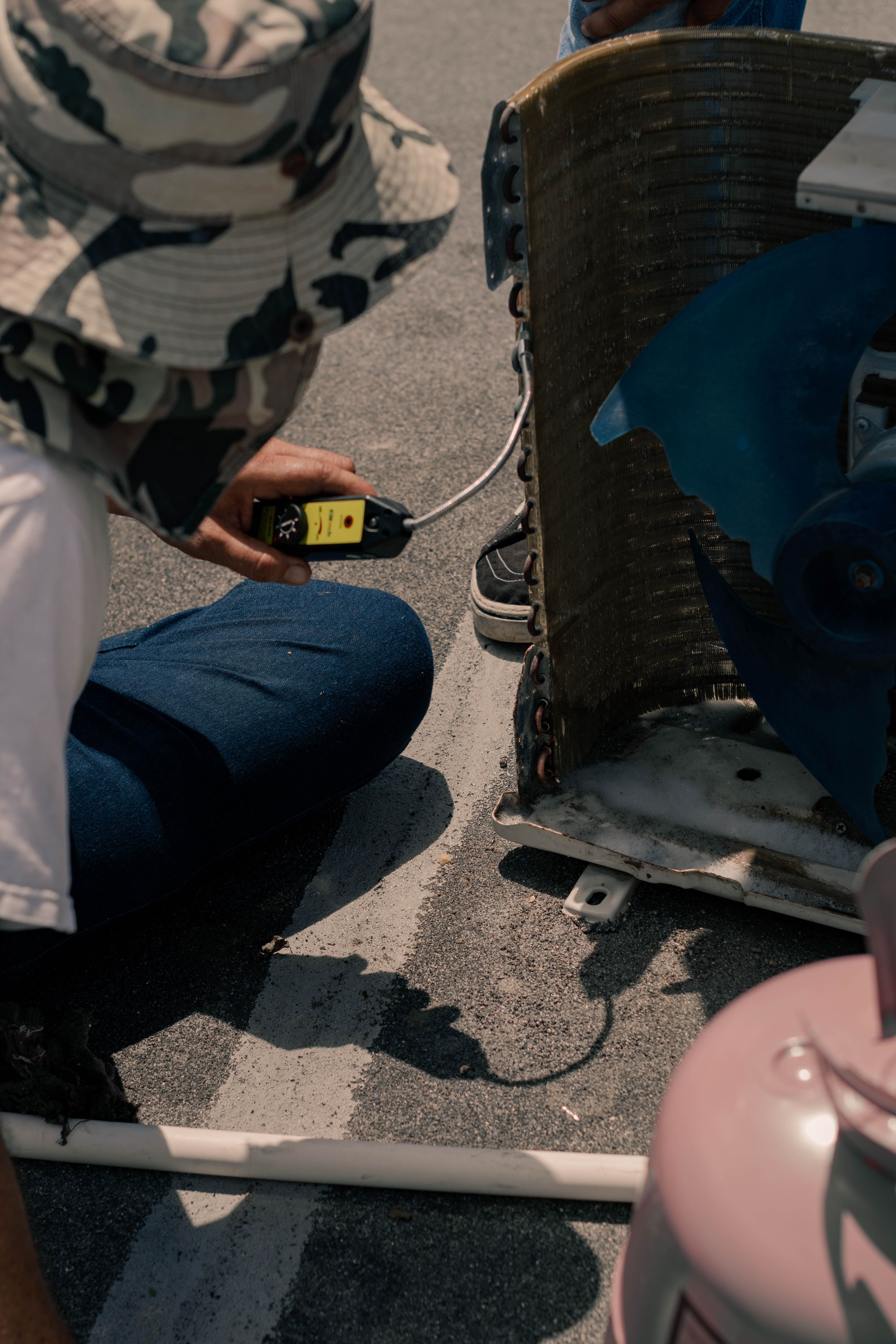
HVAC Technician Safety Guide: Best Practices for Field Service Teams
HVAC Technician Safety Guide: Best Practices for Field Service Teams
Safety is one of the most critical aspects of HVAC field operations. Technicians frequently work with electrical systems, heavy equipment, refrigerants, and elevated installations, all of which carry potential risks. Without proper safety protocols, both personal injury and equipment damage can occur.
This guide outlines essential safety practices that HVAC technicians should follow to ensure safe, efficient, and compliant field service operations.
Importance of Safety in HVAC Field Service
Maintaining safety standards protects both workers and customers.
Key benefits include:
Reduced workplace accidents
Improved job efficiency
Compliance with industry regulations
Lower insurance and liability risks
Enhanced team confidence
Step 1: Use Proper Personal Protective Equipment (PPE)
Technicians must always wear appropriate safety gear.
Essential PPE includes:
Safety gloves
Protective goggles
Helmets (when required)
Insulated tools
Safety boots
Step 2: Electrical Safety Practices
HVAC systems involve high-voltage electrical components.
Best practices:
Always disconnect power before servicing
Use insulated tools
Check wiring conditions before handling equipment
Step 3: Handle Refrigerants Safely
Refrigerants can be hazardous if mishandled.
Safety guidelines:
Use proper recovery equipment
Avoid direct inhalation exposure
Follow environmental disposal regulations
Step 4: Safe Lifting and Equipment Handling
Heavy HVAC units require proper handling techniques.
Use lifting equipment when needed
Avoid solo lifting of heavy units
Maintain correct posture during lifting
Step 5: Worksite Safety Awareness
Every job site should be assessed before starting work.
Check for hazards
Ensure stable working surfaces
Maintain clean workspace
Common Safety Mistakes
Ignoring PPE requirements
Working on live electrical systems
Poor handling of refrigerants
Rushing without inspection
Conclusion
HVAC technician safety is essential for maintaining a productive and risk-free work environment. By following structured safety practices, field teams can reduce accidents, improve efficiency, and ensure long-term operational success.
To streamline field service coordination and improve operational management, explore TeamServ: