
HVAC Maintenance Scheduling Guide: How to Keep Customers Loyal
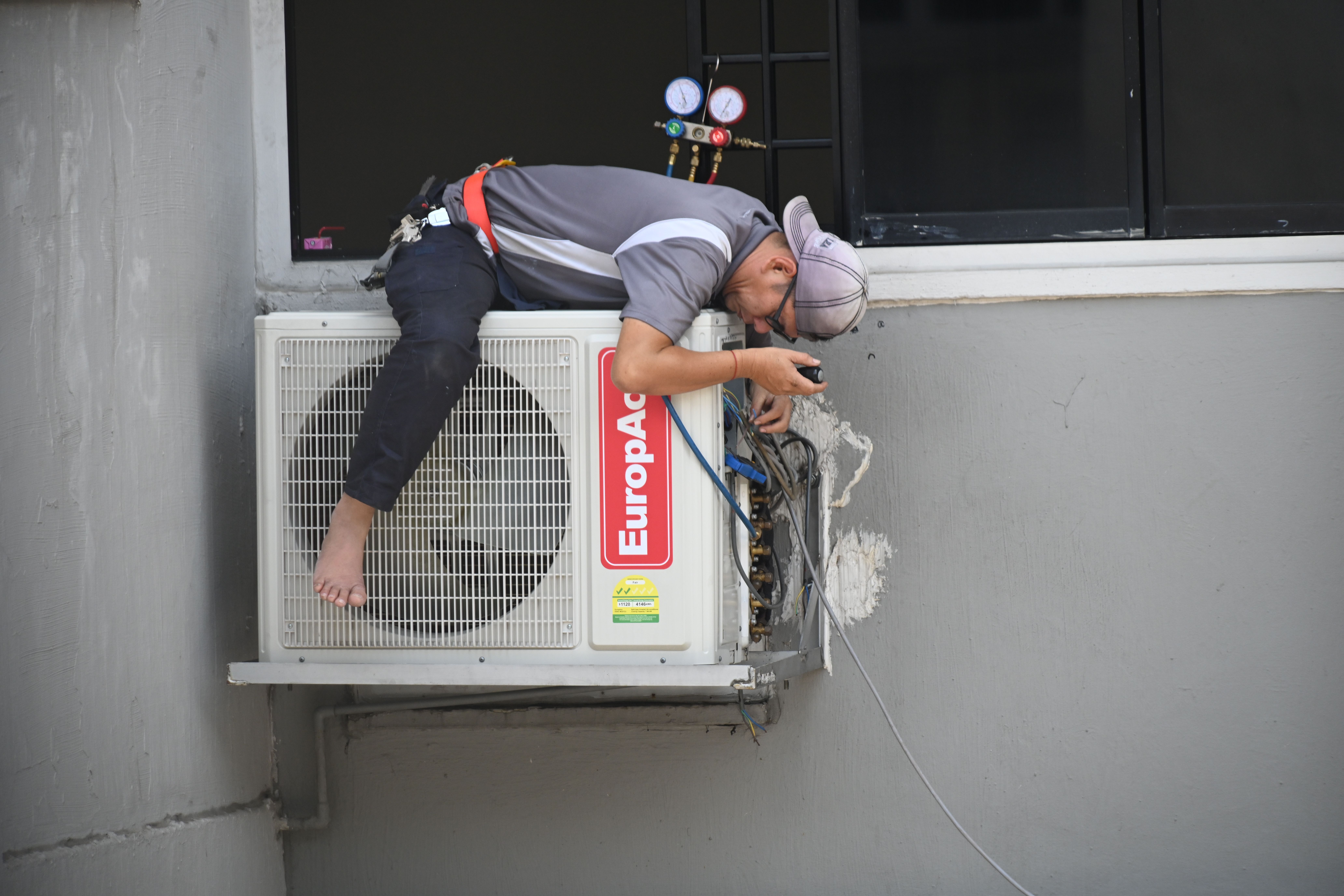 HVAC Maintenance Scheduling Guide: How to Keep Customers Loyal
HVAC maintenance scheduling is one of the most important systems in any HVAC business because it directly impacts equipment performance, customer satisfaction, and long-term revenue stability. When maintenance is scheduled properly, HVAC systems run more efficiently, breakdowns become less frequent, and customers develop long-term trust in the service provider.
Many HVAC companies focus heavily on repair work and emergency calls, but the real growth comes from preventive maintenance. A structured maintenance scheduling system helps businesses move from unpredictable income to stable, recurring revenue. It also reduces technician stress, improves planning, and increases overall operational efficiency.
In today’s competitive market, customers expect reliability, fast service, and proactive communication. Maintenance scheduling allows HVAC companies to deliver all three consistently.
Why HVAC Maintenance Scheduling is Important
Proper maintenance scheduling is not just about setting appointments. It is about building a long-term service system that keeps HVAC equipment running smoothly and customers satisfied.
Key benefits include:
Reduced emergency breakdowns
Improved system efficiency and performance
Lower long-term repair costs for customers
Increased customer retention and loyalty
Predictable recurring revenue for businesses
Better technician workload planning
Fewer last-minute service disruptions
When HVAC systems are serviced regularly, they last longer and perform better, which increases customer trust in the company.
Step 1: Build Structured Maintenance Plans
The foundation of maintenance scheduling starts with clear service plans for customers. Without structured plans, maintenance becomes reactive instead of proactive.
Common maintenance plan types include:
Monthly maintenance plans
Quarterly inspection plans
Seasonal service plans (summer/winter)
Annual system checkups
Each plan should clearly define what services are included, how often visits occur, and what benefits customers receive. This clarity helps customers understand the value of ongoing maintenance and increases sign-ups.
Structured plans also help HVAC companies forecast workload and assign technicians more efficiently.
Step 2: Automate Scheduling Processes
Manual scheduling often leads to missed appointments, double bookings, and communication errors. Automation removes these issues and improves accuracy.
Automation benefits:
Automatic appointment generation
Reduced scheduling conflicts
Timely reminders for customers
Balanced technician workload
Better long-term planning
When scheduling is automated, office staff spend less time managing calendars and more time focusing on customer service and business growth.
Step 3: Improve Customer Communication
Communication plays a major role in successful maintenance scheduling. Even a well-planned schedule can fail if customers are not properly informed.
Best communication practices include:
Appointment confirmation messages
Service reminders before visits
Technician arrival notifications
Post-service follow-ups
Maintenance renewal reminders
Clear communication builds trust and reduces no-shows. Customers feel more confident when they are kept informed at every stage of the service process.
Step 4: Optimize Technician Assignment
Assigning the right technician to the right job is critical for efficiency and service quality. Poor assignment can lead to repeat visits and wasted time.
Key assignment factors:
Technician skill level
Location proximity
Job complexity
Availability schedule
When technicians are matched properly, first-time fix rates improve and service time decreases. This also reduces fuel costs and increases the number of jobs completed per day.
Step 5: Use Seasonal Maintenance Strategy
HVAC demand changes with seasons, especially during peak summer and winter periods. Without proper planning, companies can become overloaded during peak seasons.
Seasonal strategies include:
Pre-summer AC maintenance campaigns
Pre-winter heating system inspections
Off-season maintenance promotions
Advance booking systems
Seasonal planning helps distribute workload evenly throughout the year and prevents technician burnout during peak demand.
Step 6: Focus on Customer Retention
Maintenance scheduling is one of the strongest tools for customer retention. When customers receive consistent service, they are more likely to continue using the same HVAC provider.
Retention strategies include:
Discounted maintenance packages
Priority service for regular customers
Loyalty rewards or membership plans
Regular system check reminders
Retained customers generate predictable revenue and often refer new clients, reducing marketing costs.
Step 7: Track Performance and Improve System
To improve maintenance scheduling over time, HVAC companies must track performance data and analyze results.
Important metrics include:
Completed maintenance appointments
Missed or rescheduled visits
Technician efficiency
Customer satisfaction scores
Renewal rates of maintenance plans
By analyzing this data, companies can identify weak areas and improve scheduling efficiency continuously.
Step 8: Reduce Operational Costs Through Maintenance
Proper scheduling does not only improve service quality; it also reduces overall business costs.
Cost-saving benefits include:
Fewer emergency repair calls
Reduced equipment failure rates
Lower fuel and travel expenses
Better technician utilization
Longer equipment lifespan for customers
Preventive maintenance is always more cost-effective than emergency repairs.
Step 9: Adopt Digital Scheduling Tools
Modern HVAC businesses rely on digital tools instead of manual scheduling methods.
Digital systems provide:
Real-time scheduling updates
Automated reminders
Job tracking dashboards
Customer service history access
Performance reporting
These tools improve accuracy, reduce human errors, and make the entire maintenance process more efficient and scalable.
Common Mistakes HVAC Companies Make
Many HVAC businesses struggle with maintenance scheduling due to avoidable mistakes such as:
Forgetting maintenance reminders
Using manual scheduling systems
Poor customer follow-up
Ignoring seasonal planning
Overloading technicians without balance
Lack of performance tracking
Avoiding these mistakes significantly improves business performance and customer satisfaction.
Example Impact
When an HVAC company implements a structured maintenance scheduling system, the results are often significant:
Emergency breakdowns decrease
Customer retention improves
Recurring revenue becomes stable
Technician workload becomes balanced
Overall operational efficiency increases
This shows that maintenance scheduling is not just an operational task, but a growth strategy.
HVAC Maintenance Scheduling Checklist
Structured maintenance plans created
Scheduling system automated
Customer communication system active
Technician assignment optimized
Seasonal strategy implemented
Performance tracking enabled
Digital tools integrated
Conclusion
HVAC maintenance scheduling is essential for building a stable, scalable, and profitable HVAC business. It improves system performance, increases customer loyalty, and ensures consistent revenue through preventive service plans.
To streamline scheduling, dispatching, customer management, and HVAC operations, explore TeamServ: