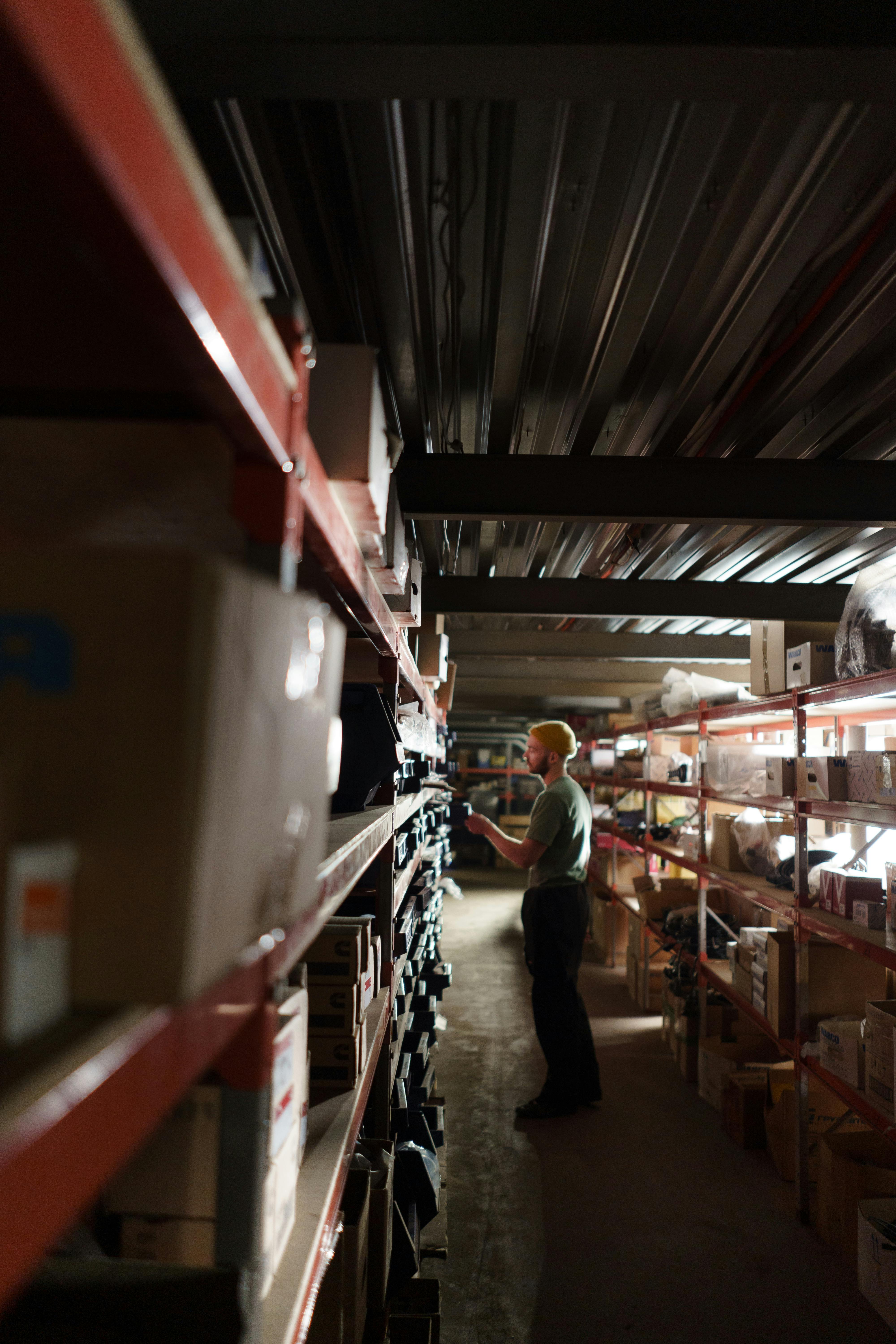
HVAC Equipment Tracking Guide: How to Manage Tools and Assets
HVAC Equipment Tracking Guide: How to Manage Tools and Assets
Managing tools and equipment efficiently is essential for every HVAC contractor. Without proper tracking, tools get lost, maintenance is ignored, and operational costs increase. A structured equipment tracking system helps contractors improve accountability, reduce losses, and ensure technicians always have the right tools for the job.
This guide explains how HVAC businesses can effectively track, manage, and maintain their tools and assets for better productivity and profitability.
Why Equipment Tracking Matters in HVAC
HVAC contractors rely on expensive tools, machines, and mobile equipment every day. If these assets are not tracked properly, it leads to delays, extra costs, and reduced efficiency.
Key benefits:
Reduced tool loss and theft
Better technician accountability
Faster job completion
Lower replacement costs
Improved operational efficiency
Better maintenance planning for tools
Step 1: Create a Complete Equipment Inventory
The first step is to list all tools and assets in your business.
Include:
Hand tools
Power tools
Diagnostic equipment
Installation equipment
Vehicles and vans
Spare parts and materials
Each item should have a unique ID for tracking.
Step 2: Assign Tools to Technicians
Every technician should be responsible for assigned tools.
Best practices:
Assign tool kits per technician
Record issue and return dates
Maintain responsibility logs
Track tool condition regularly
This reduces confusion and improves accountability.
Step 3: Use Digital Tracking Systems
Manual tracking is unreliable. Digital systems improve accuracy.
Benefits:
Real-time tool tracking
Easy inventory updates
Reduced paperwork
Faster audits
Better visibility across teams
Step 4: Monitor Tool Usage
Tracking usage helps identify performance and maintenance needs.
You should monitor:
Frequency of tool usage
Wear and tear status
Repair requirements
Replacement timelines
This helps avoid unexpected breakdowns during jobs.
Step 5: Schedule Regular Maintenance
Tools must be maintained to ensure long-term performance.
Maintenance tasks include:
Cleaning equipment after use
Calibration of diagnostic tools
Battery checks and replacements
Safety inspections
Well-maintained tools last longer and perform better.
Step 6: Prevent Loss and Theft
Tool loss is a common issue in HVAC businesses.
Prevention methods:
Barcode or QR tracking
Sign-in/sign-out system
GPS tracking for vehicles
Secure storage policies
These systems significantly reduce asset loss.
Step 7: Optimize Inventory Levels
Keeping too many or too few tools creates problems.
Best practices:
Maintain minimum stock levels
Track usage trends
Restock based on demand
Remove unused or outdated tools
This ensures efficiency and cost control.
Common Mistakes in Equipment Management
No proper inventory list
Ignoring tool maintenance
Poor accountability system
Manual tracking only
No regular audits
Example Impact
An HVAC company with multiple field teams implemented digital equipment tracking:
Reduced tool loss significantly
Improved technician efficiency
Faster job completion times
Better inventory control
This resulted in lower operational costs and smoother daily operations.
HVAC Equipment Tracking Checklist
Complete tool inventory created
Technicians assigned equipment
Digital tracking system active
Maintenance schedule set
Usage monitoring in place
Loss prevention system active
Conclusion
Effective HVAC equipment tracking is essential for improving efficiency, reducing losses, and ensuring smooth operations. Contractors who properly manage their tools and assets can save costs, improve productivity, and scale their business more effectively.
To streamline asset tracking, scheduling, and HVAC operations, explore TeamServ:
https://teamserv.org/try